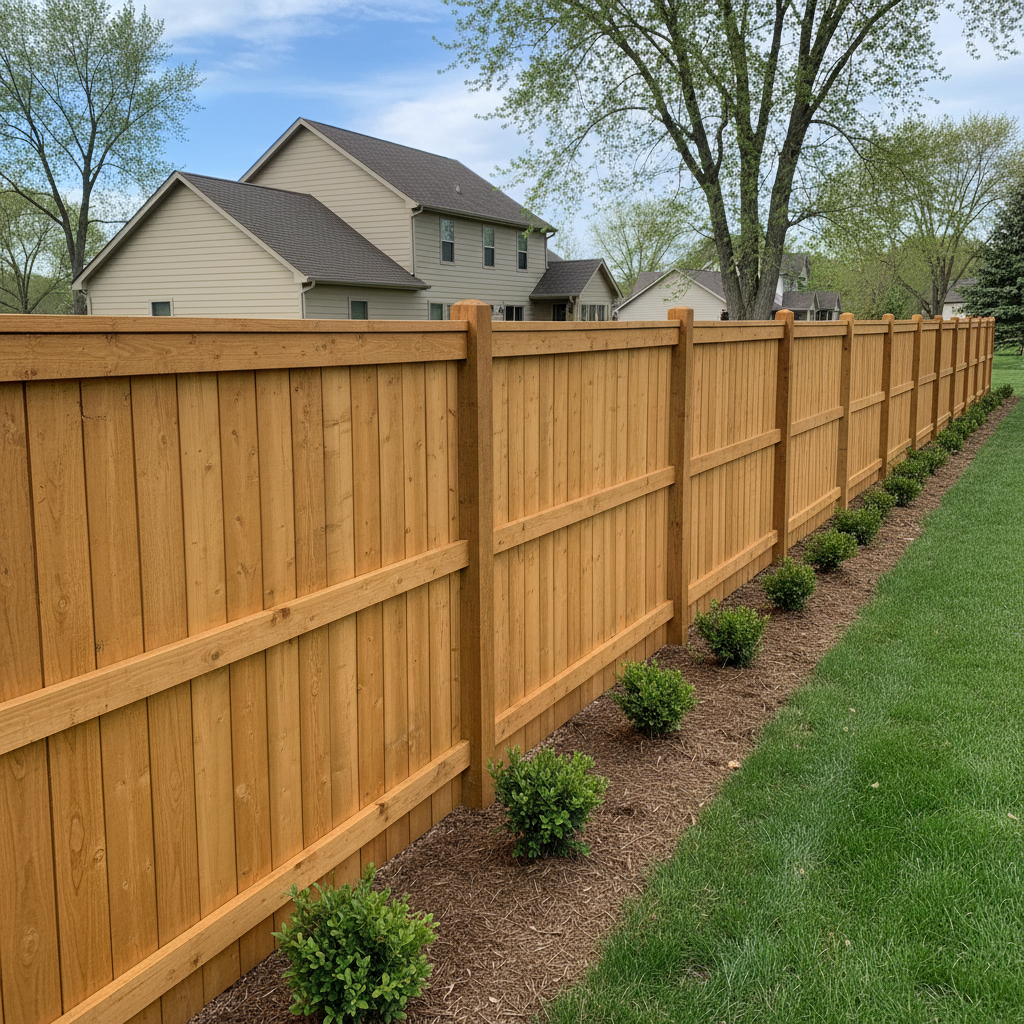
You put in a wood fence, and you want it to last, right? Good. Because a well-maintained wood fence isn't just about looks; it's about privacy, security, and boosting your property value. Here in Bellevue, our fences take a beating from the elements. We've got those scorching humid summers, the freezing, snowy winters, and don't even get me started on the spring thaw and heavy rains. All that weather works against your wood, but with a little effort, you can make sure your investment stands strong for years to come.
Extending Your Wood Fence's Lifespan
The biggest thing you can do to extend the life of your wood fence is protect it from moisture and UV rays. Think of it like sunscreen and a raincoat for your fence. When we install a fence at Omega Fencing Solutions, we're building it right, using quality materials and proper techniques. But once it's up, it's up to you to keep that protection going.
Staining or sealing your fence is crucial. I can't stress this enough. It's not just for aesthetics; it's a barrier. A good quality stain or sealant penetrates the wood, repelling water and preventing rot, mildew, and insect damage. It also protects against the sun's harsh UV rays, which can cause wood to gray and crack over time. You'll want to reapply this every 2-5 years, depending on the product you use and how exposed your fence is to the elements. If your fence is on the south side of your yard, baking in the sun all day, you might need to do it more often.
Good drainage is another big one. Make sure water isn't pooling around the base of your fence posts. If you've got a low spot in your yard, or if your sprinklers are constantly soaking the bottom of the fence, that's a recipe for rot. Keep soil, mulch, or landscaping materials from piling up against the fence posts. Give the wood some breathing room.
Regular Maintenance: What You Should Be Doing
Maintenance doesn't have to be a huge chore. A little bit often goes a long way. Here's what I tell folks:
- Clean it regularly: Once a year, give your fence a good cleaning. You can use a mild detergent and a soft brush, or a pressure washer on a low setting. Be careful with pressure washers; too much pressure can damage the wood fibers. Get rid of any dirt, grime, algae, or mildew that's built up.
- Trim back vegetation: Keep bushes, vines, and trees from growing directly against your fence. They trap moisture, block sunlight (which helps dry the wood), and can rub against the wood, causing wear. Plus, some plants can harbor pests that love to munch on wood.
- Check for loose fasteners: Screws and nails can work themselves loose over time, especially with our freeze-thaw cycles here in Nebraska. Walk along your fence and give it a once-over. Tighten any loose screws or hammer in any protruding nails.
- Inspect for damage: Look for cracked or broken pickets, rails, or posts. Small issues are easier and cheaper to fix than big ones.
Warning Signs of Problems
Your fence will tell you when it's not happy, if you know what to look for. Don't ignore these signs:
- Discoloration: Graying wood means the UV protection is gone. Dark spots, especially greenish or blackish ones, are usually mildew or algae, indicating moisture issues.
- Soft or spongy wood: Poke around the base of posts or anywhere wood looks suspect. If it feels soft or crumbles, you've got rot. This is especially common where posts meet the ground, or where water sits.
- Cracks or splits: Small surface cracks are normal, but deep splits can compromise the structural integrity of the wood.
- Pest holes: Tiny holes, sawdust trails, or tunnels are signs of insects like termites or carpenter ants. You don't want those.
- Leaning or wobbly posts: This is a big one. If a post is leaning or you can easily wiggle it, the concrete footing might have failed, or the post itself is rotting below ground. This is common in older fences, especially after a particularly wet spring like we often get around Fontenelle Forest.
When to Call a Professional
Look, some things you can absolutely handle yourself. A little cleaning, tightening a few screws, maybe replacing a picket or two. But there are times when it's smarter, and safer, to call in a pro like us at Omega Fencing Solutions.
If you see widespread rot, especially in multiple posts or rails, that's a job for us. Replacing a single post can be tricky, but if several are compromised, you're looking at a significant repair that requires specialized tools and know-how to ensure the fence stays plumb and strong. If your fence is leaning significantly, or if sections are collapsing, don't try to prop it up with a 2x4. That's a safety hazard and needs proper structural repair.
Also, if you suspect a serious pest infestation, like termites, you'll want to get that addressed by a pest control expert first, and then we can come in to assess and repair the fence damage. We can also help with staining and sealing if you don't have the time or equipment to do it yourself. Sometimes, a professional application just lasts longer and looks better.
Taking care of your wood fence isn't rocket science, but it does take a little consistent effort. Do these things, and your fence will keep doing its job and looking good for many, many years.